In Dubai, gastric balloons have developed a mixed reputation. While globally they remain one of the most effective non-surgical weight loss tools, many patients in the UAE have unfortunately experienced poor outcomes, severe intolerance, or disappointing results.
The issue is not the gastric balloon itself.
The issue is balloon selection, patient preparation, and post-procedure care.
When used correctly, with the right balloon and proper medical support, gastric balloons can deliver safe, effective, and sustainable weight loss. When used incorrectly — often with cheaper, non-approved devices and little to no follow-up — outcomes suffer.
This article explains the different types of gastric balloons available in Dubai, the critical differences between them, and why clinic choice is just as important as balloon choice.
What Is a Gastric Balloon?
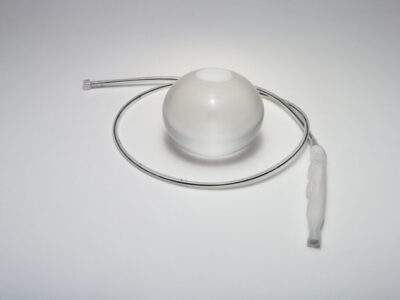
A gastric balloon (also called an intragastric balloon or stomach balloon) is a temporary, non-surgical weight loss device placed into the stomach to help patients feel full sooner, reduce portion sizes, and support lifestyle change.
Globally, gastric balloons achieve an average total body weight loss of 10–15% when used appropriately.
At Allure Weightloss, with structured medical pathways and intensive aftercare, our historical patient outcomes average 13–19% total body weight loss — a significant improvement over global norms.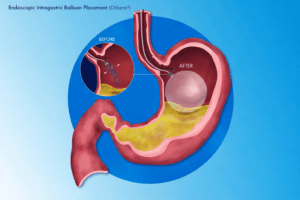
Why Gastric Balloons Struggle in the Dubai Market
Dubai’s challenges with gastric balloons are largely systemic:
- Balloons sold purely as a product, not a medical programme
- Minimal or no dietitian or bariatric nurse follow-up
- Poor patient education before placement
- Inadequate symptom management post-procedure
- Use of non-FDA-approved, cheaper devices
- Clinics competing on price, not outcomes
This leads to:
- Higher nausea and vomiting rates
- Early balloon removals
- Dissatisfied patients
- Damage to the reputation of all gastric balloons
The reality is simple:
A gastric balloon without proper medical support is set up to fail.
FDA-Approved vs Non-Approved Gastric Balloons
What’s the Difference? Not all Gastric balloons are created equal.
FDA-Approved Gastric Balloons
These devices have undergone robust clinical trials, long-term safety analysis, and strict manufacturing standards.
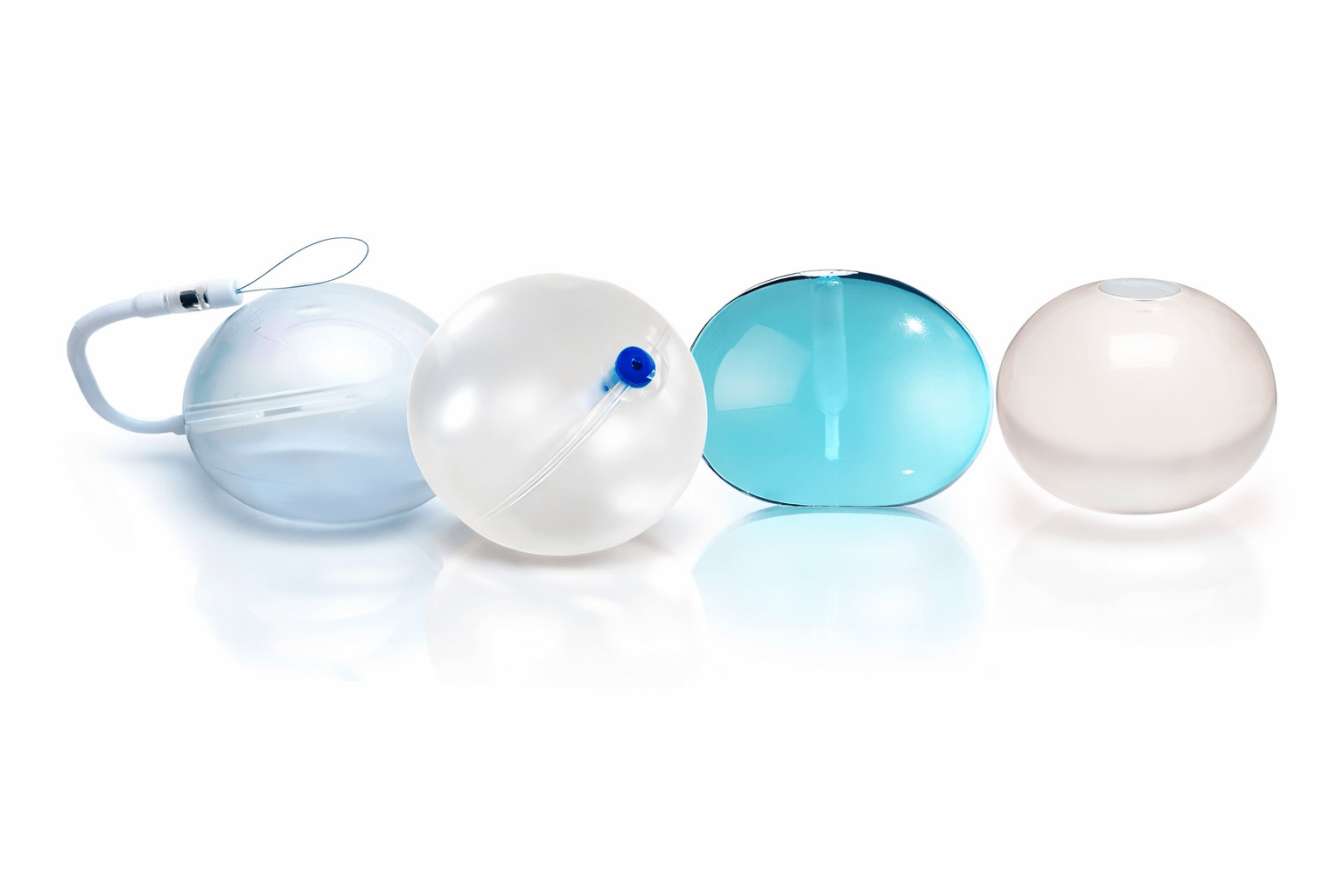
Orbera® (6 & 12-Month / Orbera 365)
- FDA approved
- Silicone balloon placed endoscopically
- Excellent safety profile
- Widely used in the UK, Europe, and the US
- Supported by extensive global clinical data
MedSil®
- CE-marked European balloon
- Strong safety record
- Endoscopic placement
- Commonly used in specialist bariatric centres
Spatz3® Adjustable Balloon
- FDA approved
- Adjustable volume during treatment
- Useful in selected patients under expert supervision
- Requires experienced clinicians to manage correctly
These balloons are predictable, well-studied, and designed for medical programmes, not quick fixes.
Non-FDA-Approved / Cheaper Balloons Commonly Seen in Dubai
Allurion® (Elipse) Balloon
- Not FDA approved
- Swallowable, non-endoscopic balloon
- Shorter treatment duration (approx. 4 months)
- More modest average weight-loss outcomes
- Results highly dependent on structured follow-up and support
Oriana Balloon
- Not FDA approved
- Often offered at significantly lower prices
- Limited long-term data
- Frequently sold with minimal follow-up
Heliogast / HeliSphere®
- Air-filled balloon
- Higher intolerance rates
- Less commonly used in experienced centres
Medicone® Balloon
- Not FDA approved
- CE-marked intragastric balloon
- Endoscopically placed and removed
- Limited long-term published data
Lower price points may seem attractive initially, but patients often pay the price later through:
- Poor tolerance
- Emergency removals
- Suboptimal weight loss
- Lack of professional support when symptoms occur
Why Intolerance Rates Are Higher With Cheaper Balloons
Balloon intolerance is not random. It is directly influenced by:
- Balloon material and design
- Proper sizing and placement
- Pre-procedure patient preparation
- Post-procedure medication protocols
- Ongoing nurse-led symptom management
Many low-cost clinics:
- Prescribe basic or insufficient medications
- Provide no active follow-up
- Leave patients to “push through” symptoms alone
At Allure Weightloss, intolerance is actively managed — not ignored.
Gastric Balloons Work Best When Part of a Programme
A gastric balloon is not the treatment.
It is the tool.
What drives success is:
- Structured dietary coaching
- Regular bariatric nurse reviews
- Behavioural habit change
- Ongoing symptom optimisation
- Accountability throughout the journey
This is why some patients lose 5–7%, while others lose 15–20% with the same balloon.
Allure Weightloss: Gastric Balloon Specialists, Not Balloon Sellers
With years of experience specialising in gastric balloons, Allure Weightloss operates very differently from high-volume, low-cost clinics.
Our programmes include:
- Careful balloon selection based on patient profile
- FDA-approved and clinically validated devices
- Comprehensive pre-procedure preparation
- Active bariatric nurse symptom management
- Regular specialist dietitian follow-up
- Long-term lifestyle support beyond placement
This medically-led approach is why our patients consistently outperform global averages and why many patients come to us after poor experiences elsewhere.
The Takeaway: Balloon Choice + Clinic Choice = Results
Gastric balloons remain an excellent weight loss tool — when used correctly.
The question patients in Dubai should be asking is not:
“Which clinic is cheapest?”
But rather:
“Which clinic is qualified to manage this properly?”
Because with gastric balloons, expertise matters more than price.
Considering a Gastric Balloon in Dubai?
Speak to a team that specialises in them — not one that simply offers them.
Gastric Balloon Specialists in Dubai
Education. Experience. Results.